How Can Proper Electric Bike Maintenance Double Your EV Battery Life?

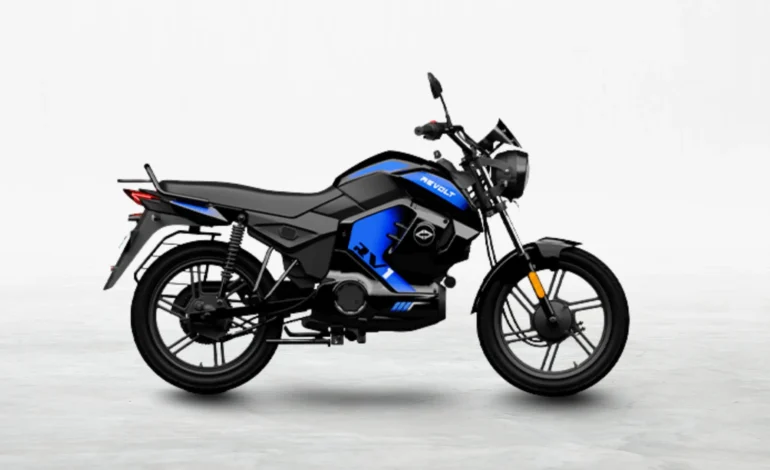
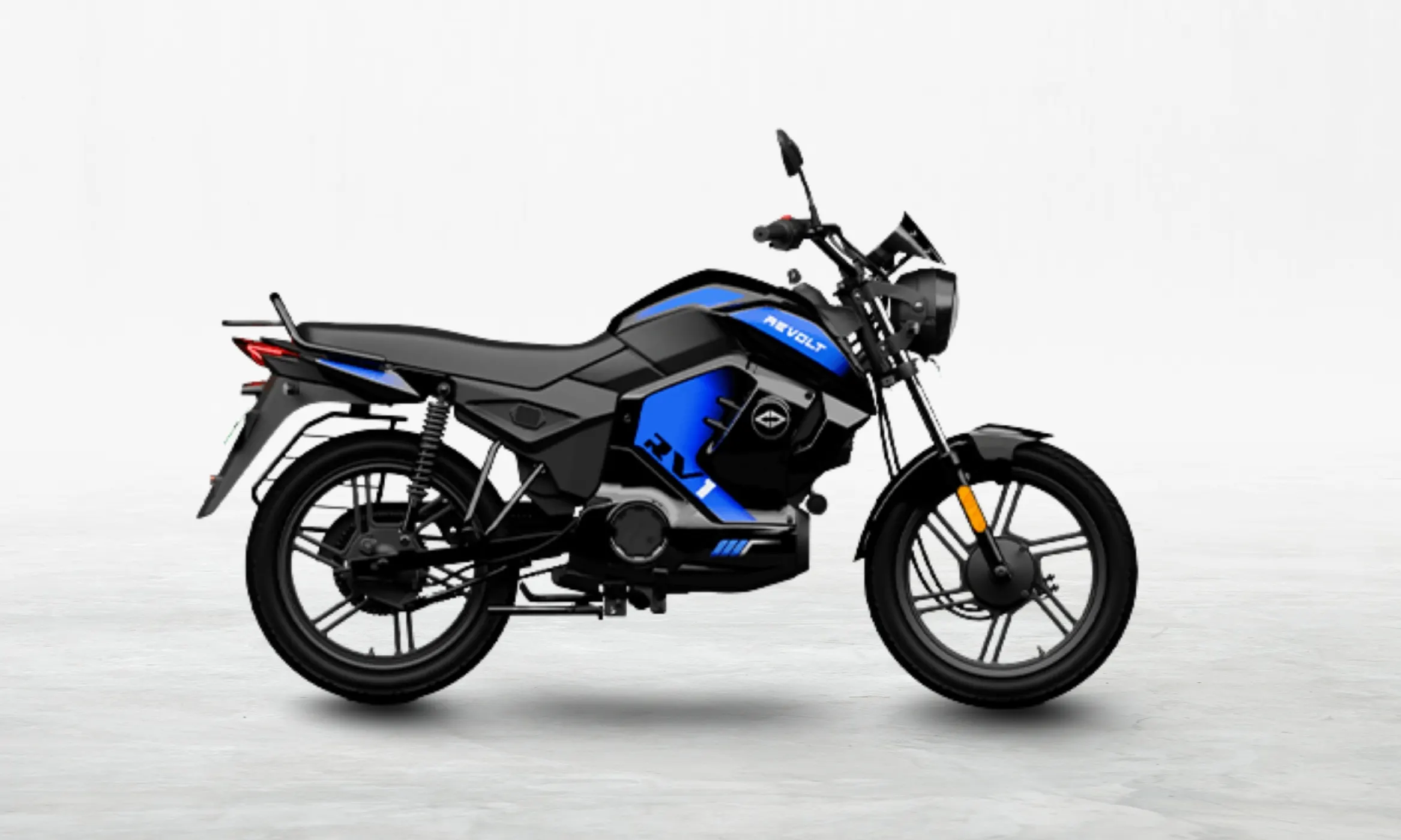
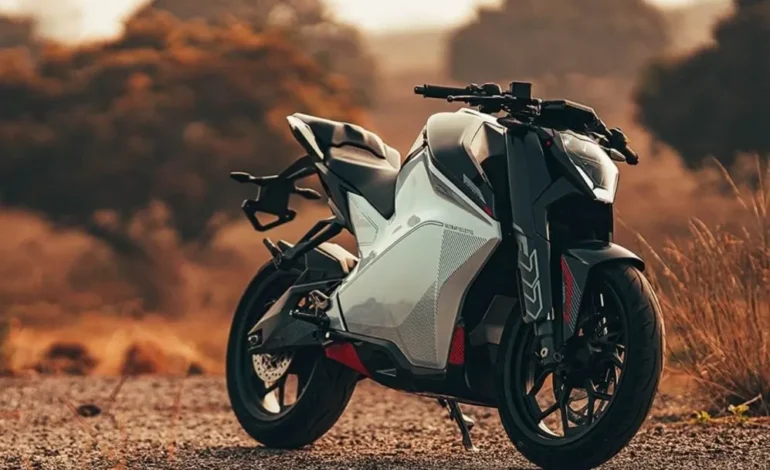
You twist the clutch on your silent two-wheeler, feel that instant rush of speed, and glide past traffic without making a sound. Electric motorcycles are taking over our city streets at incredible speed. With models like the high-speed Ultraviolette F77 carrying a 323 km range alongside daily commuters like the Revolt RV400, silent riding feels completely amazing. Protecting your machine starts with smart electric bike maintenance habits.
Saving money on petrol feels great every single week. Yet leaving your battery in scorching heat or riding through deep rainwater can ruin performance quick enough.
How do you keep your battery firing like new without spending big money on repairs? Let’s jump into the essential steps every young rider needs to know.
Why Does Electric Bike Maintenance Matter When There Are No Engines?
Many people think silent rides need zero attention because they do not use engine oil or spark plugs. That thought is a huge mistake.
While mechanical parts are far simpler, your lithium power cells, wiring, and hub motor take a beating on Indian roads.
City dust gets inside small gaps, while sudden traffic forces you to slam the brakes constantly. Spending ten minutes every week inspecting your machine keeps you safe from sudden breakdown troubles.
Make Battery Care Your Number One Priority Daily
Your power pack is the most expensive part of your entire ride. Treating those power cells right keeps your range high for years.
1. Charge Smart with 20-80 Rule
Maintaining the charge of your battery between 20% and 80% prevents internal damage to your cells. Charging your device when it is completely dead causes damage to the chemical balance.
Always unplug your factory charger when the display hits full capacity. Giving the pack twenty minutes to cool down after a long ride before plugging in also works wonders.
2. Shield Cells From Extreme Summer Heat
Parking under direct sunlight during peak summer bakes the battery casing. High heat causes internal chemicals to break down much faster, so always find covered parking or tree shade when stopping outside.
3. During Trips Store Battery Right
Leaving your two-wheeler parked for a long holiday calls for proper battery preparation. Never leave the pack sitting at zero or one hundred percent charge. Parking the machine with a fifty percent charge inside a cool garage keeps energy cells stable while you are away.
4. Skip Fast Charging Every Single Day
Fast chargers although save time when you are in a rush, but using them every day heats up internal connectors. Hence, it is better, to stick to your regular slow wall charger at home for daily overnight charging needs.
5. Monitor Cell Health and Software
Modern electric machines run smart software that manages power delivery. Getting your service center to update the battery system during regular checkups helps maintain accurate range numbers on your screen.
Quick Checks for Long Wheel Life
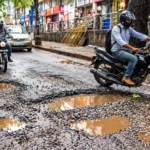
Potholes and bumpy roads exert continuous pressure on rubber wheels. Low air pressure causes your engine to do twice the work, hence consuming your entire driving range.
Tyre Pressure Rules
Daily Riding Steps
Checking air levels once every week keeps commuter tyres rolling smoothly at forty PSI. Removing sharp stones wedged in rubber treads stops slow punctures before they start.
Riding on soft flat tyres kills your battery range instantly.
Clean Dirt But Without Frying Electricals
The dust gets accumulated on the roads in cities very fast; however, the use of a high-pressure water hose will damage your bicycle. The water is pushed directly to the sensitive circuitry and motor hubs through water spray.
Wiping the body parts with the help of a damp microfiber cloth keeps the plastic clean. Cleaning the drive chain with a brush and lubricating it stops the squeaking sound.
Keep all pressure washers away from your handlebar display screen.
Check Brakes Under City Traffic
Instant electric power means you need reliable stopping force when someone cuts in front of you.
Weekly squeezing of brake levers allows you to determine whether there is enough resistance in the brake levers. You should replace brake pads when the layer of friction becomes less than 1.5mm.
Application of isopropyl alcohol on metal brake discs will prevent any squeaking sounds when making sudden stops.
Protect Setup During the Rainy Months
Riding through monsoon storms requires extra care to stop water damage.
Avoiding deep water pools on flooded roads protects your rear motor hub from internal moisture. Drying battery terminals with a clean cloth immediately after wet rides stops rust.
Always store your machine inside dry covered areas during heavy downpours.
Understanding Different Types of Bike in India Today
Looking at our streets shows how fast riding choices are changing. When checking out the main types of bike in india, clear categories stand out.
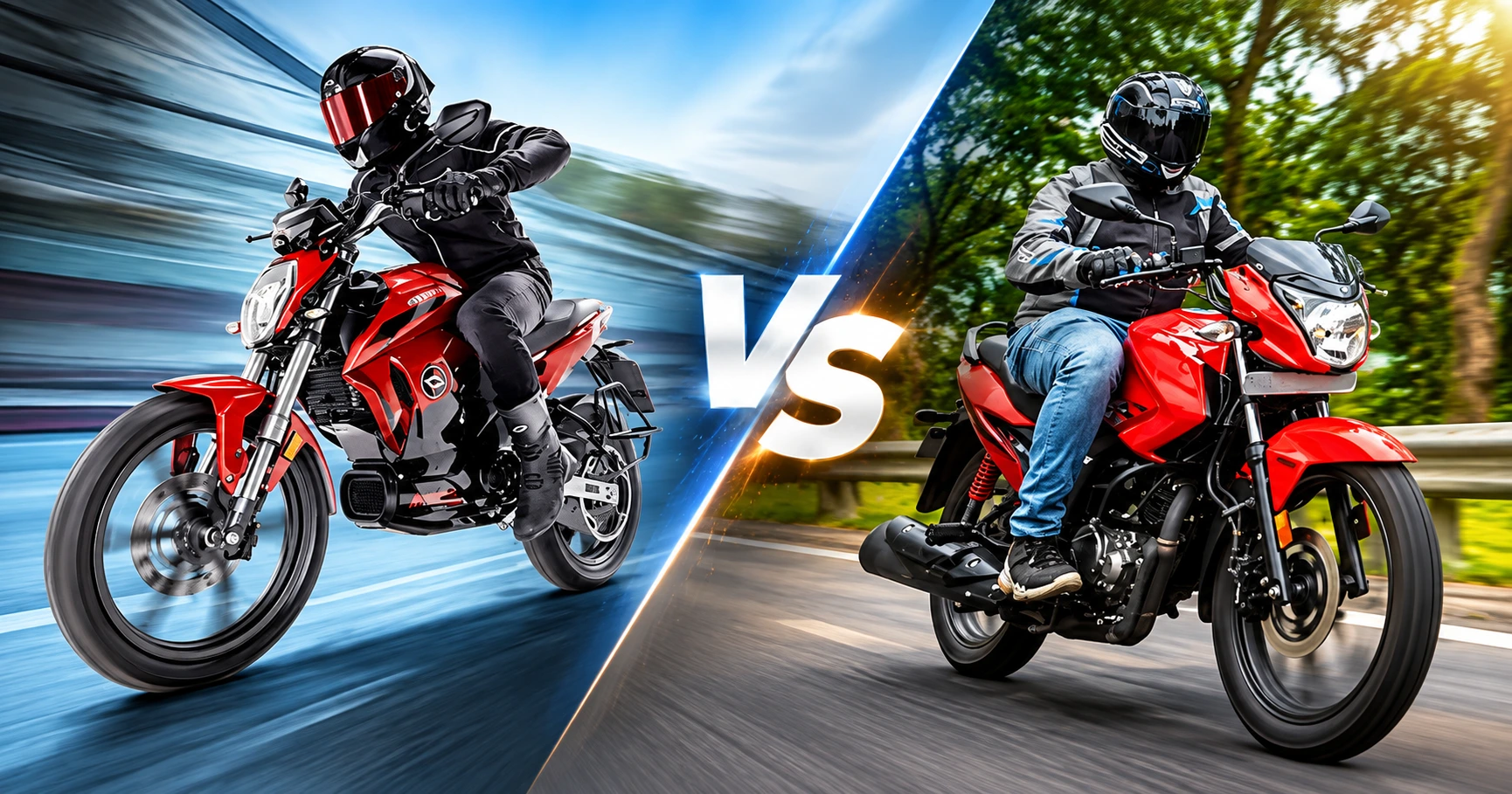
Budget commuter models built for daily school or office trips sit alongside sporty performance machines with massive battery packs. Relaxed cruiser setups built for comfortable seating on long roads join lightweight electric cycles made for quick neighborhood errands.
Every option has unique features, but battery care remains the most crucial task for every EV owner.
Why Care Habits Grow Vital as Electric Bikes in India Multiply
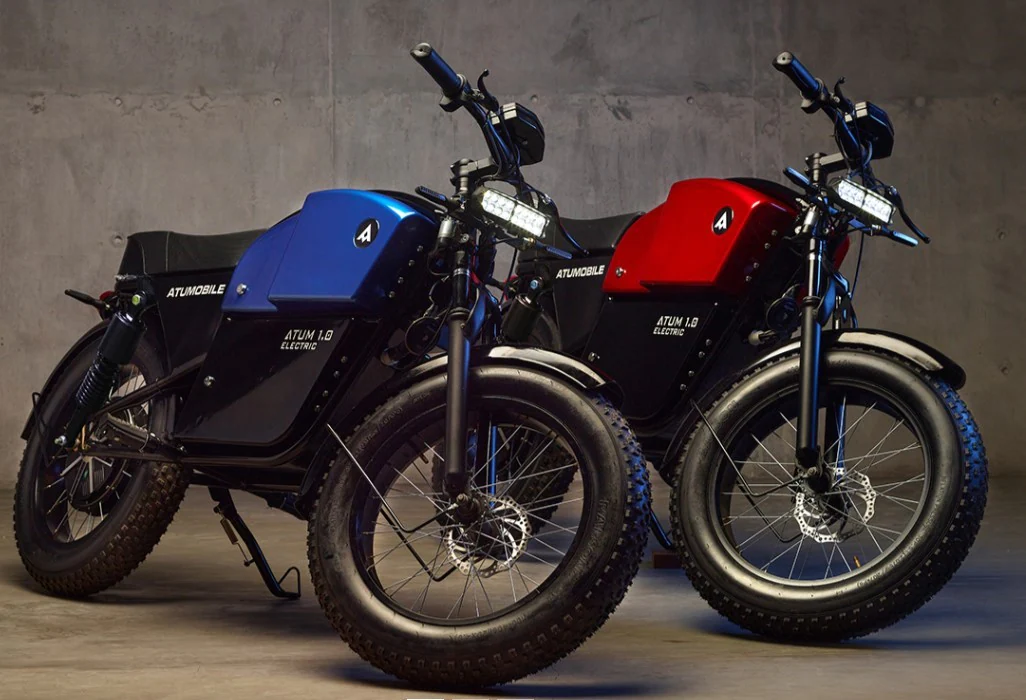
The switch to clean transport is moving super fast across our country. With over 50 options available, electric bikes in India are changing how we travel every day.
The riders have the option to select from economy choices such as the Ola Roadster for ₹1.04 lakh or from the performance bikes such as the Oben Rorr Evo. The choice of fast bikes or commuting bikes is not so important as developing good maintenance practices.
Taking care of your ride foremost protects your motor, later keeps range high and saves money. Just like trend followers expect smooth performance of bikes along with their specs on platforms like Khelo24race, EV owners get total peace of mind when basic maintenance becomes a regular habit.
Which maintenance tip are you going to try first on your ride?