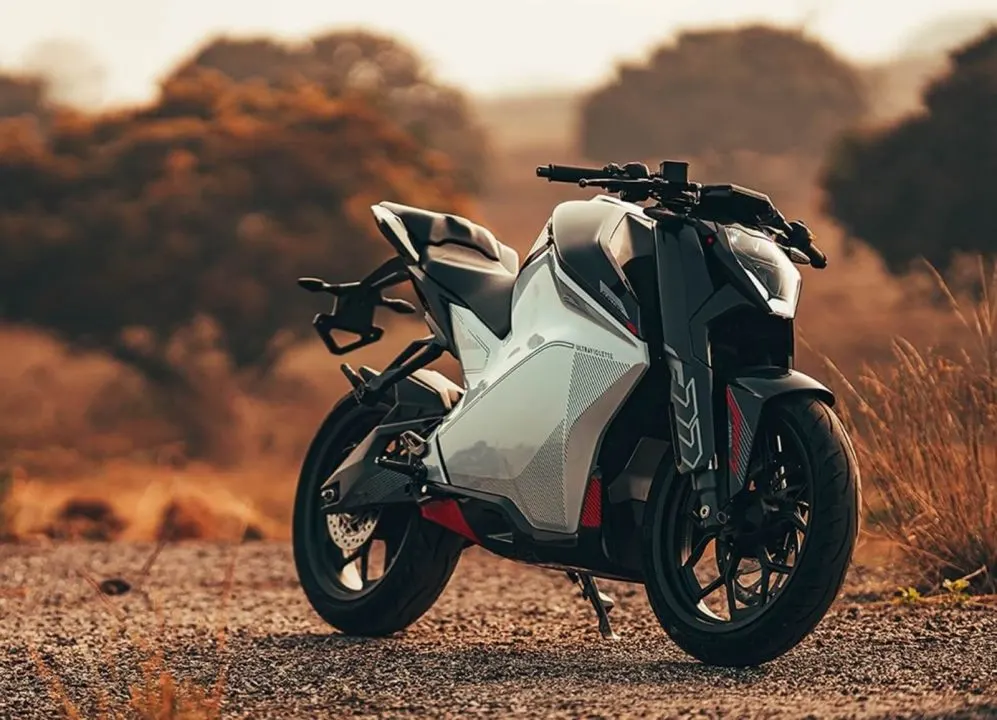
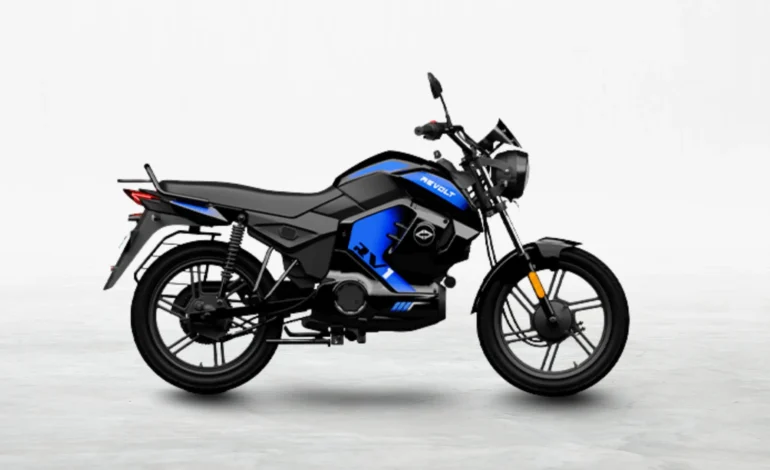
Electric Bike Charging Cost: Why Are Petrol Stations Losing Daily Riders?

Standing in a petrol pump line on a burning Tuesday afternoon is nobody’s idea of fun. You sit there watching those digital pump numbers tick right past ₹100 a liter while hot exhaust smoke blows straight into your eyes. So many people riding across Indian cities face that exact headache every single week, which makes figuring out the actual electric bike charging cost such a hot topic right now.
Plugging an e-bike into a normal wall socket feels pretty much like plugging in your smartphone before heading out. But what happens when the house power bill actually arrives? Let’s talk about how much energy your two-wheeler really pulls so you can see if switching off petrol actually leaves cash in your wallet.
How Much Does It Cost to Fill Up at Home?
Forget complicated math problems from school. Working out your daily charging bill takes only two basic details: how big your battery is and what your local electricity board charges per unit.
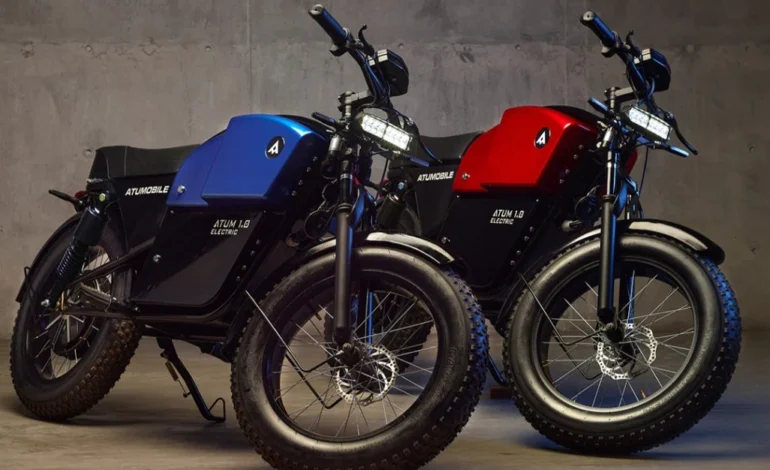
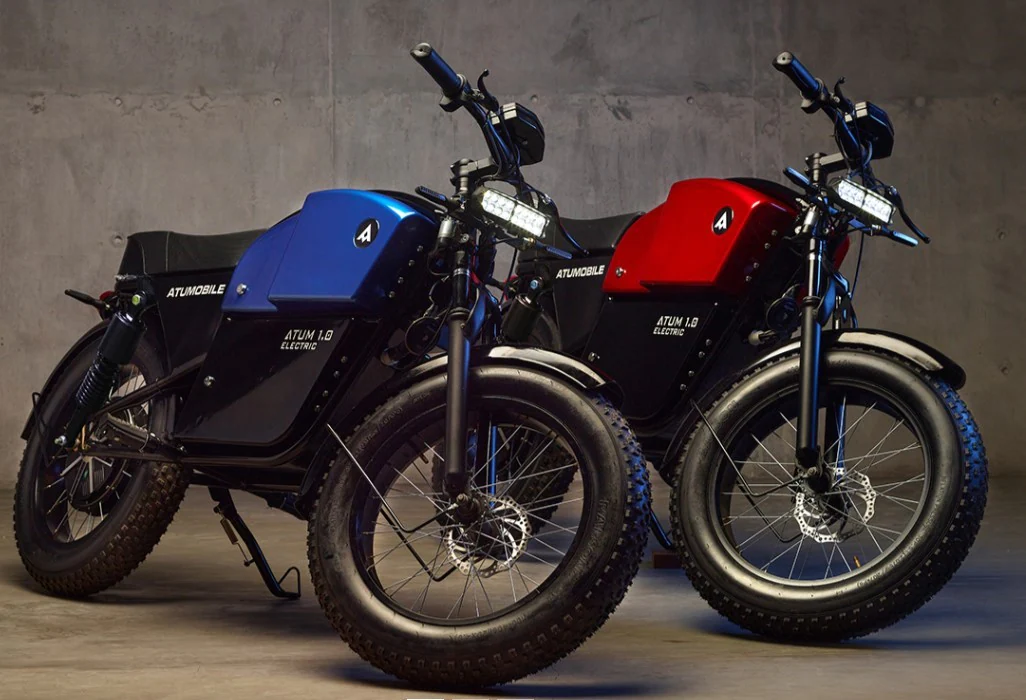
Meters count electricity in kilowatt hours, but everyone just calls them units. Popular electric bikes in India pack battery packs somewhere between 2.5 kWh and 4 kWh. Home power rates in most states sit around ₹6 to ₹8 per unit. So, if you plug in a typical 3.24 kWh battery from completely empty, it pulls about 3.5 units from your socket.
Do the math. A full charge at home usually costs between ₹20 and ₹25. That small top up gives you 120 to 140 kilometers of real riding, which easily lasts two or three days. Even during heavy summer months when house power usage jumps into higher tariff slabs, filling your two wheeler costs less than a street snack.
Home Plugs Versus Public Chargers: Where Does Your Money Go?
Plugging your electric bike into a standard socket in your parking spot uses regular home power rates. It takes roughly four hours while you sleep, but your monthly spending stays super low.
Public fast charging stations work totally differently though. Since station owners pay commercial rates for electricity, expensive equipment, and land rents, they simply transfer that cost to you.
- Slow Home Plugs: Such bikes enjoy the cheaper domestic rates and take about 4 hours of time overnight.
- Public Fast Charging: These bikes take more per unit but get your battery charged to about 80% in just 45 minutes.
Frequent use of public charging stations can increase your electricity charges, and smart bikers prefer public charging for long distance trips. Almost all top up is done at home overnight.
Which Types of Bikes in India Burn Holes in Your Pocket?
Various types of bike in India travel various routes during the day, and the battery capacity determines how much your meter charges.
City Commuters
Lightweight models use smaller 2 kWh batteries built for quick runs to the market or local classes. A full top up takes just two units of power, costing roughly ₹12 to ₹15 for 70 kilometers of distance.
Daily Street Bikes
Built for longer city commutes, these popular rides carry 3.2 kWh to 4 kWh battery setups. Recharging at home uses about 3.5 units, running ₹20 to ₹25 for up to 140 kilometers of range.
High Performance Models
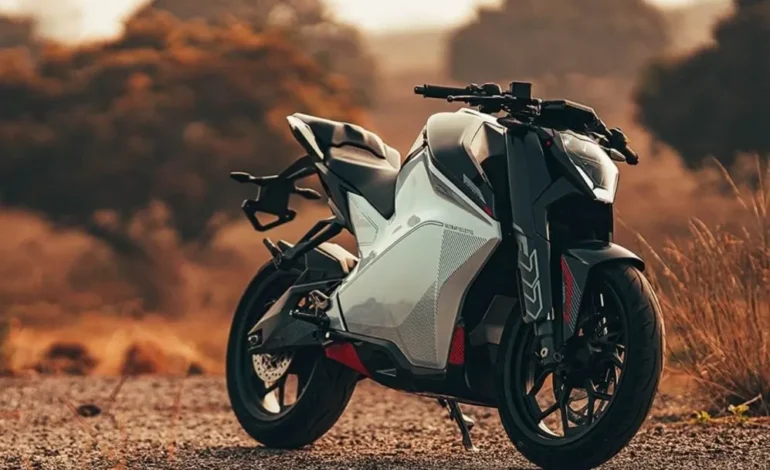
Equipped with heavy 5 kWh packs, these premium models handle high highway speeds. Charging them pulls nearly 5.5 units, which adds about ₹35 to ₹40 to your house bill.
A good match between your daily travel distance and the battery size avoids any wastage of money that you would spend on battery capacity which you don’t even need.
How Quick Do Your Savings Add Up When Compared to Petrol?
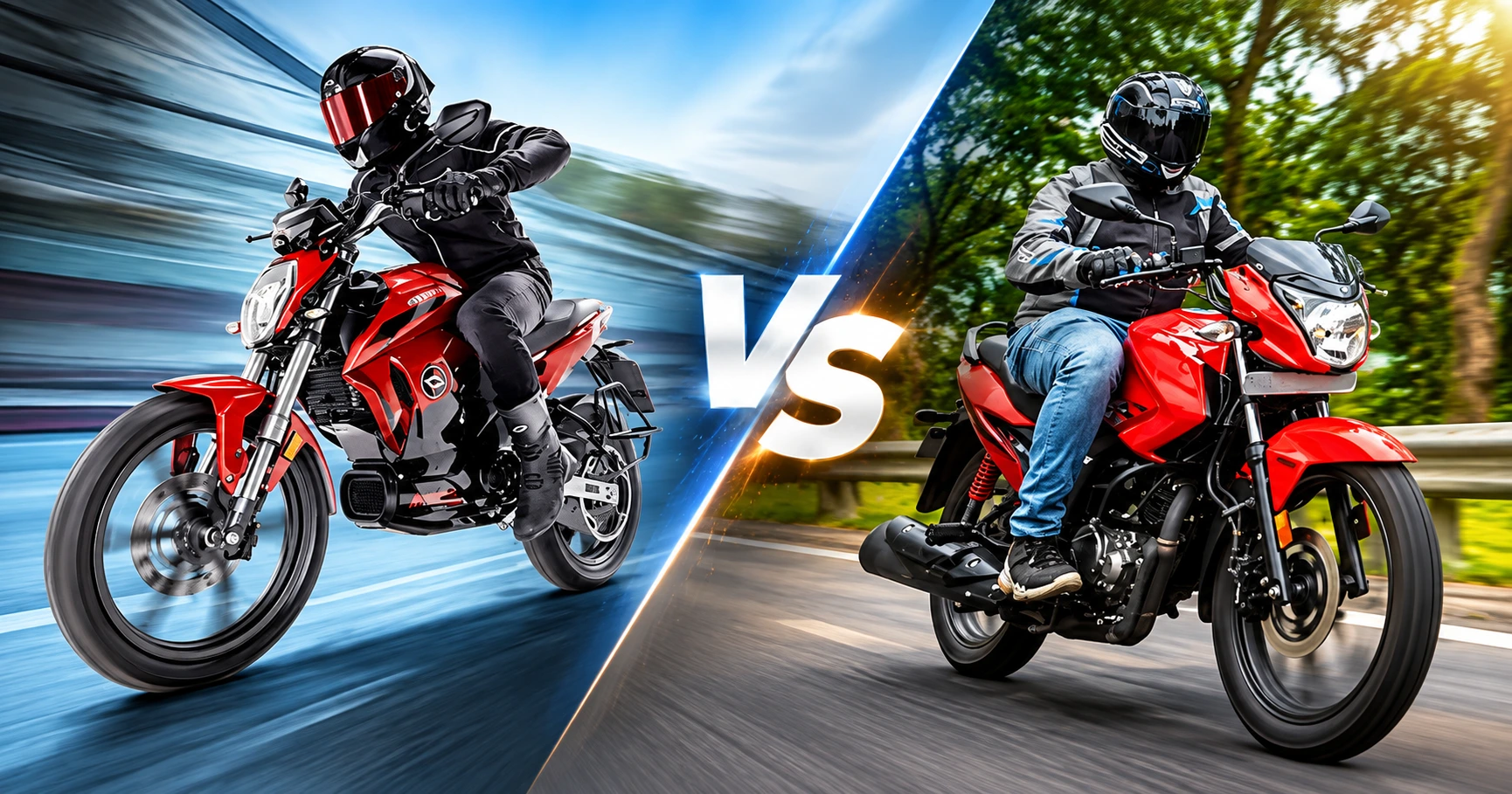
Just comparing daily expenses gives you the reasons why fuel stations seem out of place. An ordinary 110cc petrol bike will give around 50 kilometers per liter. At a cost of about ₹100 per liter, you end up spending ₹2.00 for each kilometer that you travel.
Battery power changes those numbers completely. Paying ₹25 for a full charge that takes you 125 kilometers drops your running expense down to just ₹0.20 per kilometer!
- Daily Petrol Expense (30 km commute): Around ₹60 spent at pumps every day
- Daily Electric Expense: Roughly ₹6 added to your house bill
- Monthly Petrol Expense: Almost ₹1,800 gone
- Monthly Electric Expense: Around ₹180 logged on your home meter
- Annual Fuel Savings: At least over ₹19,000 stays in your bank account
That annual fuel saving is where electric rides really pay off. On weekends, while auto enthusiasts check out fresh vehicle stories on Khelo24race, e-bike owners quietly watch their bank balances grow. And because electric motors skip engine oil, spark plugs, and clutch cables altogether, your garage visits turn into a thing of the past.
Things You Must Know About Your Electric Two Wheeler
By taking good care of your battery, you will keep your charges low for years to come, because good maintenance means no premature wear. Parking your electric bike under the scorching sun will reduce the battery life, and draining your battery to zero before charging is a burden that should be avoided.
It makes use of the cool temperature and low costs that apply during off peak hours. Slow charging at home will be more efficient than quick charging every day when it comes to keeping your battery in good shape. Also, checking the pressure of your tires each week will minimize drag.
Are You All Set to Pull the Plug on Petrol Forever?
But when you dig into the actual math involved in the electric bike charging cost, it becomes clear that switching from petrol is an absolute no brainer for everyday commuters. Paying pennies to cover one hundred kilometers seems to make the old fashioned fuel seem completely obsolete. Although public charging stations are convenient on long highway rides, slow home charging wins hands down in terms of cost.
Would you switch to a silent electric ride, or would you still prefer petrol engines? Drop your thoughts below and join the debate with fellow riders!