2026 F1 Regulations: Can the “Nimble Car” Concept End Boring Races?

Formula 1 is gearing up for its utmost radical shift in decades. If you believe that the 2022 ground effect reset was a big deal. The 2026 F1 regulations are about to turn the grid upside down.
The discussion isn’t about new wings or new tyres. Rather, this is about a major redesign in how the machines move and fight on the track.
This makes the automobiles more fit and the racing more aggressive. Drivers have remarked that F1 cars resemble boats due to their bulky design. The 2026 F1 regulations aim to address this issue by decreasing the thickness. This can be achieved by installing so called ‘active technology’. That feels as though it has been borne out in a science fiction film.
F1: The “Nimble Car” Theme
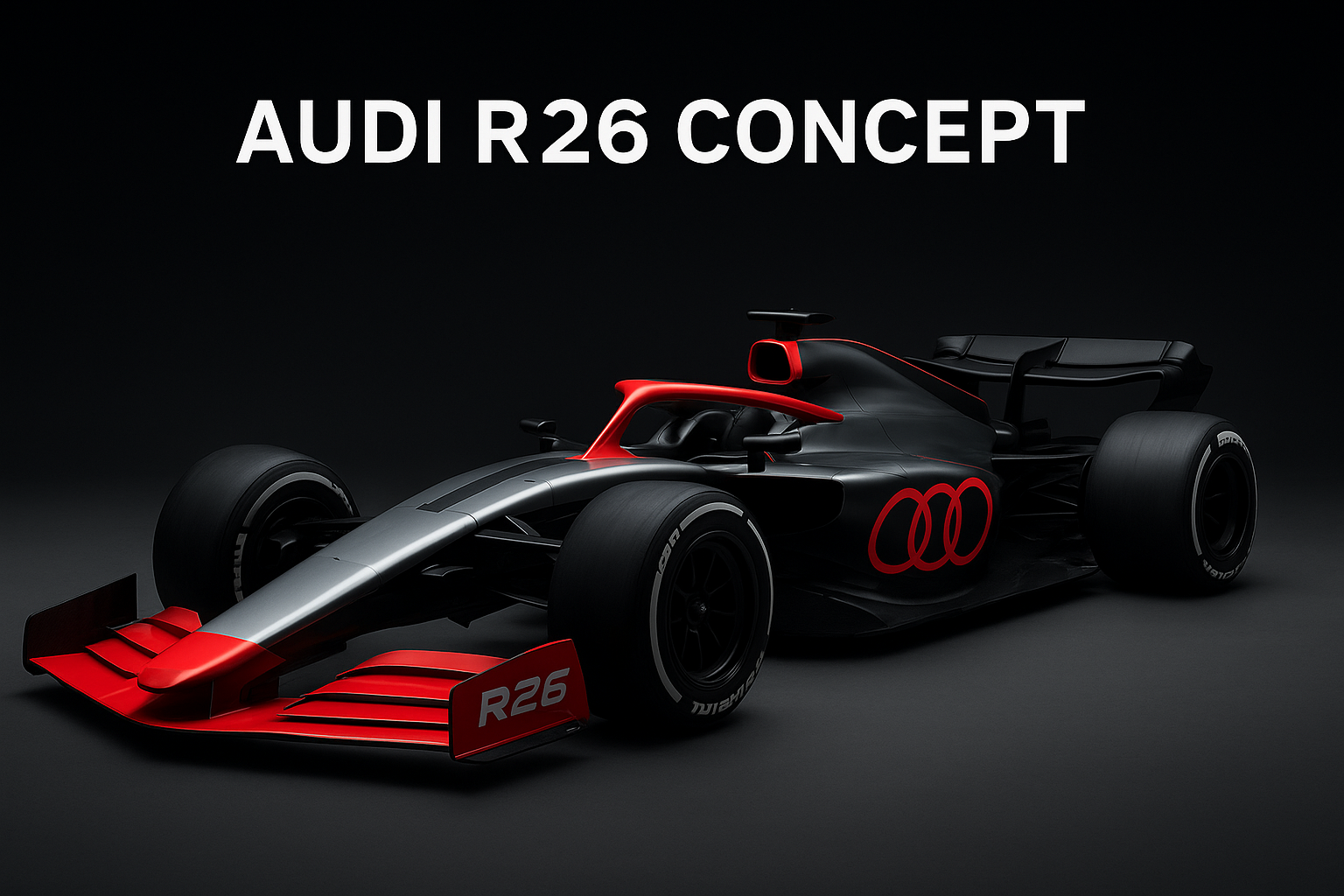
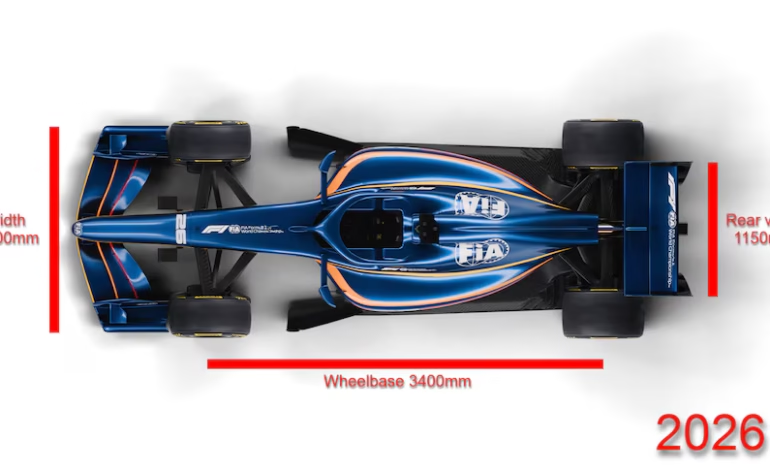
The initial thing about the competitors of 2026 you will encounter is their size. After years of expanding car sizes, the FIA has finally succeeded in developing the shrink ray. The idea behind these machines is to have greater wheel to wheel action on narrow street circuits.
Key Dimension Swaps
Wheelbase: Decreased by 3600 mm to 3400 mm.
Width: Reduced from 2000 mm down to 1900 mm
Weight: Minimum weight decreased by 30 kg to 768 kg.
Tyres: The front (280 mm) and rear (375 mm) tyres are narrower to minimise drag.
These are not some changes on display. The shorter a car, the more responsive it is by nature.
Revolution of Power Unit: The 50/50 Split
The changes are even more radical under the engine cover. Although the 1.6 litre V6 will be there. This method of producing power will be changing to an enormous electrical charge. The highly complicated and costly MGU H (recovering heat in the turbo) is eliminated. The MGU K (kinetic energy recovery) has been strengthened 3 times.
| Feature | 2025 Power Unit | 2026 Power Unit |
| ICE Power Output | ~550kW | 400kW |
| Electrical Power | 120kW | 350kW |
| Fuel Type | E10 (10 percent Ethanol) | 100 percent Sustainable |
MGU H Included Removed
This change makes the power an evenly balanced 50/50 between the engine and the battery. Since the electric motor will now be assisting in so much of the heavy lifting. This energy management will now play a key component of the strategy of a driver.
Active Aero: DRS Layoff
The most discussed change is the implementation of “Active Aerodynamics”. We have utilised DRS to assist with overtaking for more than ten years. The whole aerodynamic philosophy is different in 2026. The cars will have a movable front and rear wing which has two main modes.
Z Mode and X Mode Explained
- Z Mode (Cornering): The default high downforce mode keeps the wings in the closed position. Further, it allows maximum grip during the turns.
- X Mode (Straights): This is a low drag design that differs in that the front and rear wing elements open up to increase top speed.
- Universal Use: As compared to DRS and X Mode, it is available to all drivers, laps and zones. This applies irrespective of their distance in front of a car.
- Manual Control: These modes have to be manually activated by the drivers. This created an additional cockpit burden.
- Safety Interlocks: Wings fall into Z mode each time a driver presses the brake pedal.
Themes On the Horizon
But what then is the effect of this on the Sunday show? Since the elimination of traditional DRS, the FIA has created a new strategy aid and Overtake Mode (previously known as Manual Override).
A driver who is within one second of the vehicle before the detection point will get a considerable electrical boost. Although the power of the leading car is beginning to lose its peak at high speeds (around 290 kph). While the attacking car is able to maintain its full 350 kW of electrical power until 337 kph.
In conclusion, the 2026 season is proving to be an epic turning point in the sport. The human element is reemerging in the limelight with agile cars and more driver control systems.
Do you have high hopes of witnessing these nimble cars? Register on Khelo24race to read more on all the technical advances on our way to the new century of Formula 1!
Will the Formula 1 cars of 2026 be slower?
The first simulations reveal that lap times will be comparable to existing ones. Additionally, they are less powerful in engines. However, the drastic cutting in the drag and weight ensures that they move at high speeds.
Is DRS completely gone?
We can refer to it technically as Active Aero (X Mode) instead of DRS to be efficient and Overtake Mode to pass. The actual opening of the flap continues to occur and is applied differently.
Why did Formula 1 drop the MGU H?
The MGU H was too complicated. Plus, it did not feature much of the road car technology. Likewise, its removal made the engines more functional and appealing to brands such as Audi and Ford.
What is meant by 100% sustainable fuel?
There is a drop in fuel derived from non food or carbon capture in the atmosphere. Hence, it gives F1 an opportunity to remain carbon neutral without altering fully electric engines.
How does Overtake Mode work?
It gives the pursuing driver added electrical energy when at high speed. This enables him or her to sustain a longer acceleration time.