Is F1 Coming Back To India? Centre Considers Formula 1 Revival At Buddh Circuit

Motorsport enthusiasts across the subcontinent are buzzing with anticipation over a potential breakthrough. Specifically, the Indian government is actively exploring the revival of Formula 1 racing within the country. After a 13-year hiatus, the prospect of high-speed drama returning to domestic soil feels closer to reality than ever before. Because the sport has witnessed a massive surge in global popularity, Indian authorities are keen to capitalize on this momentum. Consequently, top officials have initiated preliminary discussions aimed at bringing the prestigious Indian Grand Prix back to life.
The Government’s Push for a Formula 1 Comeback at Buddh Circuit
Recent developments suggest a highly coordinated effort from the top levels of the central administration. For example, Union Sports Minister Mansukh Mandaviya recently conducted a comprehensive inspection of the Buddh Circuit in Greater Noida. During this visit, he held vital talks with the Yamuna Expressway Industrial Development Authority (YEIDA). This state-run body took over the maintenance of the Rs 2,000 crore facility after its original promoter, the Jaypee Group, faced bankruptcy. Therefore, the government is now directly involved in finding a viable path forward for the venue.
Furthermore, the Sports Ministry has proposed a strategic operational shift to fast-track the process. The minister reportedly advised track owners to lease the facility to a professional sports management company for a span of two to three years. As a result, this dedicated agency would handle the complex logistics of negotiating a return to the racing calendar. Meanwhile, authorities are working aggressively behind the scenes to iron out the historical tax disputes that previously derailed the event.
Why Did the Pinnacle of Motorsport Leave India?
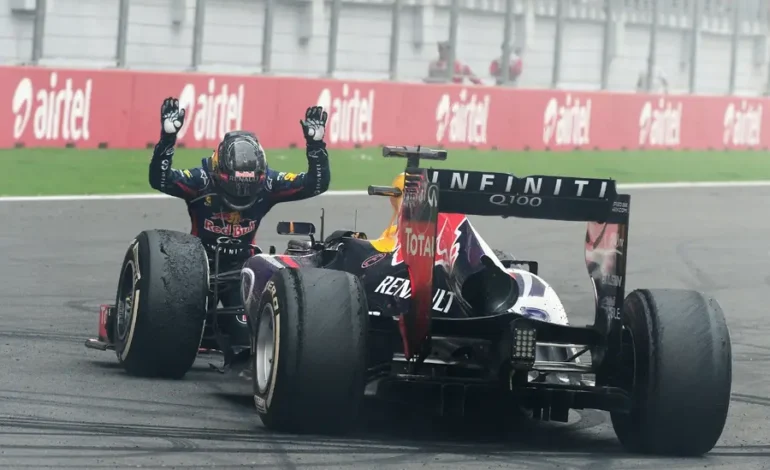
To understand the current revival efforts, we must examine the history of the Indian Grand Prix. Although the event enjoyed a highly successful three-year run from 2011 to 2013, it met an abrupt end. During that golden era, Red Bull Racing’s Sebastian Vettel famously dominated the track, securing victories in all three editions. However, significant financial and regulatory roadblocks quickly overshadowed the on-track success.
Specifically, the Uttar Pradesh state government at the time classified the race as an “entertainment” event rather than a legitimate sport. Consequently, this classification triggered massive entertainment and luxury taxes, placing an unbearable financial burden on the organizers. In addition, steep customs duties on imported racing equipment created a logistical nightmare for international teams. Because the promoters could not sustain these ballooning costs, the Indian Grand Prix was eventually dropped from the global roster. The original promoters had poured upwards of $400 million into building the world-class facility. In contrast, they were left with mounting debts when the contract was permanently shelved.
Roadblocks to Reviving the Buddh Circuit
While the government’s renewed interest is highly encouraging, securing a spot on the modern racing calendar is incredibly difficult. Currently, the sport operates at its absolute maximum capacity of 24 races per season. Therefore, adding a new destination requires either expanding the schedule or replacing an existing, highly lucrative venue. On the other hand, competition for hosting rights is now fiercely contested by wealthy nations.
For instance, state-backed entities in the Middle East routinely bankroll massive hosting fees ranging from $20 million to $60 million annually. Similarly, new street circuits in Las Vegas and Miami have fundamentally changed the commercial expectations of a race weekend. Furthermore, any returning venue must guarantee long-term financial stability to appease the global management group.
Why India Remains an Attractive Market for Global Motorsport
Despite the historical setbacks, the commercial appeal of the Indian market is undeniable. Therefore, international promoters are still highly interested in finding a way back into the country. Specifically, several key factors make a potential revival highly lucrative for global stakeholders:
- Massive Audience Base: With a population exceeding 1.4 billion, the sheer volume of potential viewership is unmatched. As a result, broadcasting rights and digital engagement metrics could see exponential growth.
- Aspirational Middle Class: The rapidly expanding middle class has a growing appetite for premium international sports. Furthermore, this demographic actively spends on lifestyle brands associated with high-speed racing.
- Ready Infrastructure: Building a brand-new, FIA-approved track from scratch takes years and billions of dollars. In contrast, India already possesses a world-class circuit that merely requires operational fine-tuning and basic track resurfacing.
Strategic Expansion and Future Outlook
The aggressive push to revive the premier racing series is not an isolated initiative. Instead, it forms a core component of a much broader strategy to elevate India’s status as a global sporting powerhouse. Specifically, the government is actively building operational readiness to host mega-events like the 2030 Commonwealth Games in Ahmedabad. In addition, restoring a world-class motorsport event drastically strengthens India’s ambitious bid to secure the 2036 Olympic Games.
Meanwhile, other prominent motorsport organizations are recognizing the immense potential of the Indian market. A delegation from Japan’s premier Super Formula championship recently visited the track to evaluate its readiness for future events. Similarly, brands like Red Bull have kept the racing spirit alive by organizing thrilling showruns in major Indian cities. Consequently, local fan engagement is currently at an all-time high, creating the perfect cultural environment for a grand prix return.
Frequently Asked Questions
When was the last Indian Grand Prix held? The last race took place in 2013 at the Greater Noida track. Although it was initially scheduled for a brief hiatus, persistent tax disputes prevented its return.
Who owns the racing facility now? The Yamuna Expressway Industrial Development Authority (YEIDA) currently maintains the facility. Specifically, they assumed control after the original developers faced corporate insolvency.
How much does it cost to host a race? Hosting a premier global motorsport event typically costs between $20 million and $60 million annually in pure hosting fees. Therefore, strong financial backing is absolutely essential.
Navigating the complex politics and immense financial requirements of international motorsport is undoubtedly a monumental task. However, the explicit backing of the central government provides a solid foundation that was previously missing. By addressing historical tax grievances and exploring professional management partnerships, India is making all the right moves. Therefore, while a confirmed date remains elusive, the dream of seeing Formula 1 machines roaring down the straights of the Buddh Circuit is finally a realistic possibility. As the nation aggressively expands its global sporting footprint, fans have every reason to remain highly optimistic about the future of racing in India.